Few things are more frustrating than a circuit breaker that keeps tripping, especially when it interrupts your daily routine or leaves you sitting in the dark. Whether the breaker trips when you turn on the air conditioner or it seems to happen at random, there is usually a specific reason behind it.
Understanding why circuit breakers trip is the first step toward fixing the problem safely. Some causes are simple enough to address on your own, while others point to deeper electrical panel issues that require a licensed electrician. Either way, ignoring a breaker that trips frequently can create serious safety risks, including electrical fires.
This guide walks through the most common circuit breaker problems, explains what causes them, and helps you decide when professional help is the right call.
What a Circuit Breaker Actually Does
A circuit breaker is a safety device inside your electrical panel. Its job is to monitor the flow of electricity through a circuit and shut it off automatically when something goes wrong.
Think of it as a gatekeeper. When the electrical current exceeds a safe level, the breaker “trips” to cut the power before wires overheat and potentially cause a fire. So when your breaker trips, it is actually doing exactly what it was designed to do. The real question is what is causing the unsafe condition in the first place.
Why Does My Circuit Breaker Keep Tripping?
There are several reasons a breaker trips frequently, and narrowing down the cause usually depends on when and how it happens. Here are the most common culprits.
Circuit Overload
This is the number one reason a circuit breaker keeps tripping. A circuit overload happens when you plug in more devices or appliances than the circuit can safely handle. For example, running a space heater, a hair dryer, and a microwave on the same circuit can easily exceed its capacity.
Circuit overload warning signs include lights dimming when appliances turn on, outlets that feel warm to the touch, and a burning smell near outlets or the panel.
The fix is often straightforward. Spread your high-draw appliances across multiple circuits, or have an electrician add a dedicated circuit for heavy-use items like window AC units.
Short Circuit
A short circuit occurs when a hot wire comes into contact with a neutral wire, creating a sudden surge of electricity. This is more dangerous than a simple overload because short circuits generate intense heat.
Short circuit causes include damaged or frayed wiring, a faulty appliance, or loose connections inside an outlet box. If your breaker trips immediately after resetting, a short circuit is a likely cause. You may also notice a burning smell or discoloration around an outlet.
Short circuits should always be evaluated by a qualified electrician. Attempting to fix one without proper knowledge can lead to shock or fire.
Ground Fault
A ground fault is similar to a short circuit, but it involves a hot wire contacting a ground wire or a grounded portion of the system, like a metal outlet box. Ground faults are especially common in areas exposed to moisture, such as kitchens, bathrooms, garages, and outdoor outlets.
This is the reason your GFCI outlet keeps tripping. GFCI outlets are specifically designed to detect ground faults and cut the power in milliseconds. If a GFCI keeps tripping, there may be moisture in the outlet, a damaged appliance, or deteriorating wiring behind the wall.
Ground fault causes and fixes vary, but replacing old or damaged GFCI outlets and keeping water away from electrical connections are solid starting points.
Faulty or Aging Circuit Breaker
Circuit breakers do not last forever. Over time, the internal mechanism can weaken, causing the breaker to trip even when the circuit is not overloaded. If your breaker won’t reset after tripping or feels loose when you toggle it, the breaker itself may be the problem.
A faulty circuit breaker replacement is a relatively affordable repair, but it needs to be done by a licensed professional. Using the wrong breaker type or size for your panel can create a fire hazard.
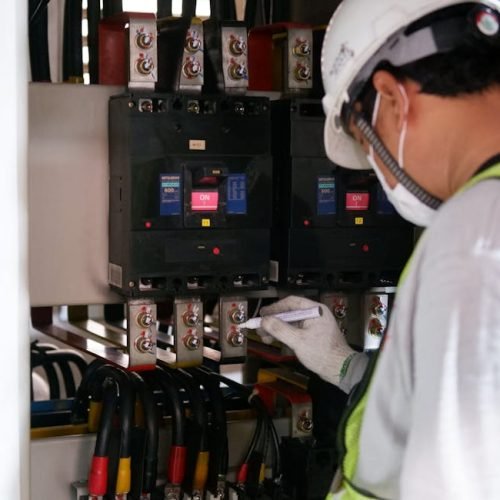
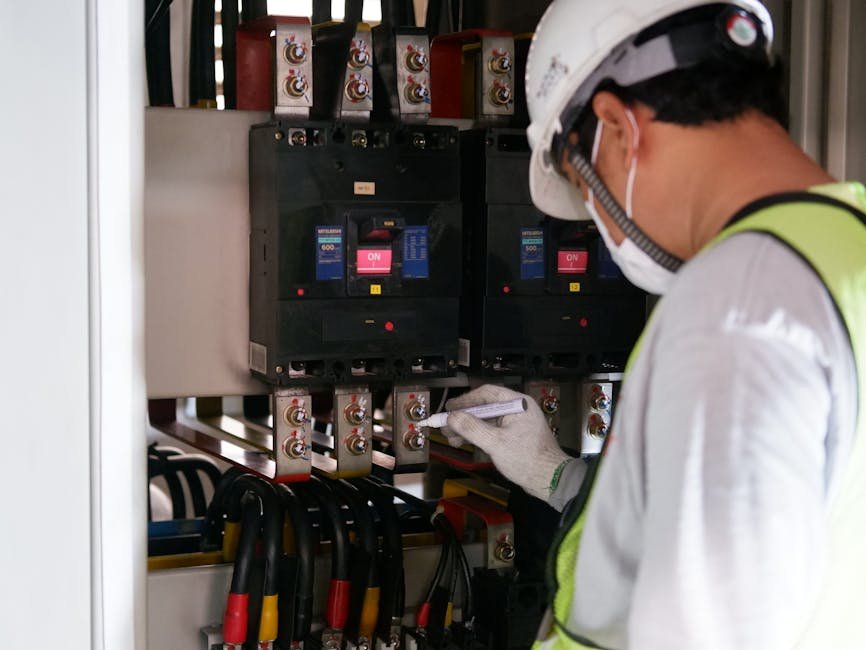
Loose Wiring in the Electrical Panel
Loose wiring in the electrical panel is another common and often overlooked cause of intermittent breaker tripping. Connections can loosen over time due to thermal expansion, vibration, or poor initial installation.
Loose connections create resistance, which produces heat. That heat can cause arcing, damage the breaker, and eventually trip the circuit. This issue is particularly common in older homes that have not had an electrical inspection in years.
Breaker Trips When You Turn On the Air Conditioner
If your breaker trips when you turn on the air conditioner, there are a few specific reasons worth checking.
Air conditioners draw a significant amount of power at startup. If the unit is on a shared circuit, that startup surge alone may be enough to overload it. Other possible causes include a dirty air filter forcing the unit to work harder, a failing compressor, or a refrigerant leak.
In some cases, the AC unit may have an internal short that is sending a fault through the wiring. If the breaker trips every time the AC kicks on, stop using it and have both the unit and the circuit inspected.
Breaker Trips During Rain or Storms
If your breaker trips during rain or storms, moisture is almost certainly involved. Water can seep into outdoor outlets, junction boxes, or underground wiring, creating ground faults that trigger the breaker.
Check all outdoor receptacles and weatherproof covers for damage. Make sure in-use covers are properly rated and sealed. If the problem persists, there may be compromised wiring underground or in the walls that is absorbing moisture. This is a situation where calling an electrician is essential.
How to Stop a Breaker from Tripping
Before reaching for the breaker panel, consider these steps.
- • Unplug everything on the affected circuit and reset the breaker. Then plug items back in one at a time to identify which appliance is causing the breaker to trip.
- Redistribute high-power appliances across different circuits to reduce the load.
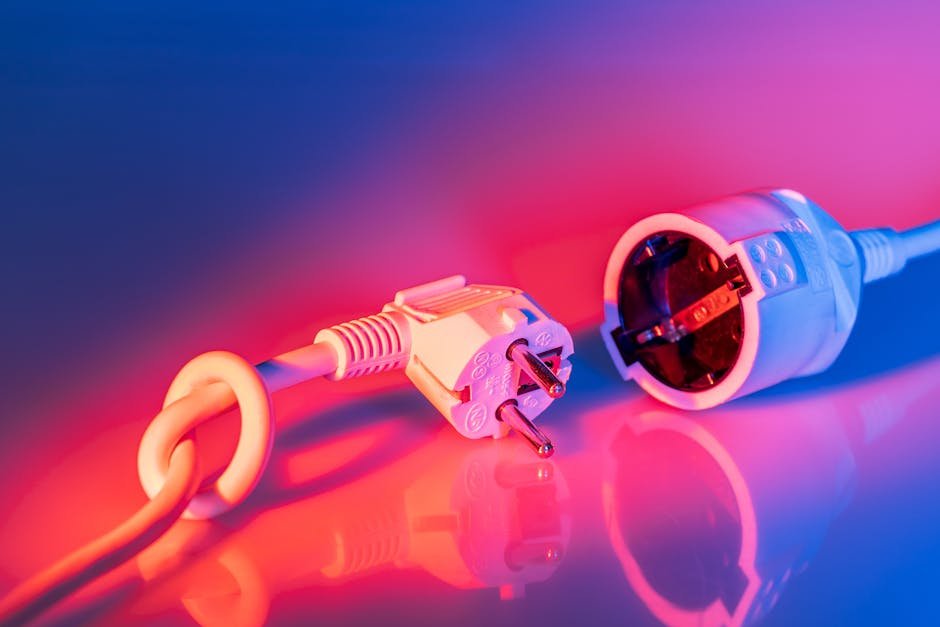
- Replace old or damaged power strips and extension cords.
- Check for visible signs of damage on outlets, cords, and plugs.
- If your AFCI breaker has nuisance trips, a licensed electrician can determine whether the breaker is overly sensitive or if there is a genuine arc fault in the wiring.
If none of these steps resolve the issue, or if your main breaker keeps tripping, do not keep resetting it. Repeated tripping without fixing the root cause can damage the breaker and increase your risk of an electrical fire.
When to Call an Electrician for Circuit Breaker Problems
Some breaker issues are DIY-friendly, but many are not. You should call a licensed electrician if you notice any of the following.
- The breaker trips immediately after resetting, every time.
- You smell burning near the panel or outlets.
- The panel feels hot to the touch.
- You see scorching, melting, or discoloration on breakers or wiring.
- Your home has an overloaded electrical panel and you need additional circuits.
- The breaker is more than 20 years old and has never been inspected.
Electrical work involves serious safety risks. A qualified electrician can diagnose the problem accurately, make safe repairs, and ensure your panel meets current code requirements.
Prioritizing Safety at Home and Beyond
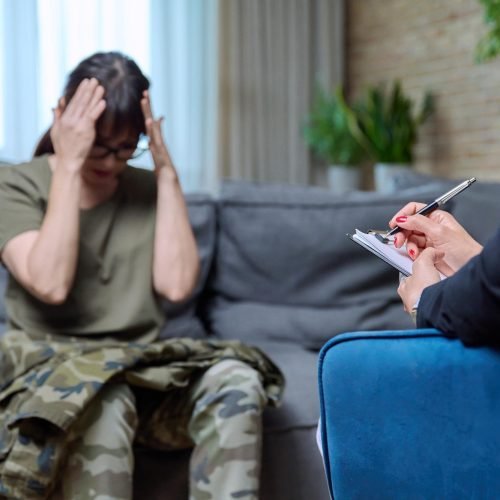
Dealing with recurring electrical problems can be genuinely stressful. The disruption, the safety concerns, and the uncertainty about what is wrong can all weigh on your mental well-being. For many people, household stressors like these compound existing anxiety or make it harder to focus and feel settled at home.
At NewLight Psychiatric Services, we understand that everyday stressors affect mental health in real, measurable ways. If you are managing anxiety, depression, ADHD, or other conditions, having reliable support makes a difference. NewLight offers psychiatric evaluations, medication management, and ongoing care through both in-person and telehealth appointments, making it easier to get help on your schedule.
Taking care of your home’s electrical safety is important. Taking care of your mental health is just as essential.
A circuit breaker that keeps tripping is more than a nuisance. It is your electrical system telling you something is wrong. Whether the cause is a simple overload, a hidden short circuit, or loose wiring in the panel, identifying and fixing the root cause protects your home and your family.
Start with the basics. Redistribute your loads, check for damaged appliances, and inspect visible wiring. If the problem persists or involves any signs of damage at the panel, bring in a licensed electrician.
And if the stress of ongoing home issues is affecting how you feel day to day, consider reaching out to NewLight Psychiatric Services for compassionate, evidence-based psychiatric care. Your safety and well-being, both physical and mental, deserve attention.
Frequently Asked Questions
Why does my breaker keep tripping for no reason?
There is always a reason, and the most common causes are circuit overloads, short circuits, ground faults, or a worn-out breaker that needs replacement.
Is it dangerous to keep resetting a tripped breaker?
Yes, repeatedly resetting a tripping breaker without fixing the underlying cause can damage the breaker and increase the risk of an electrical fire.
When should I call an electrician for a tripping breaker?
Call an electrician if the breaker trips immediately after resetting, you smell burning near the panel, or you see any signs of scorching or melting on the wiring.