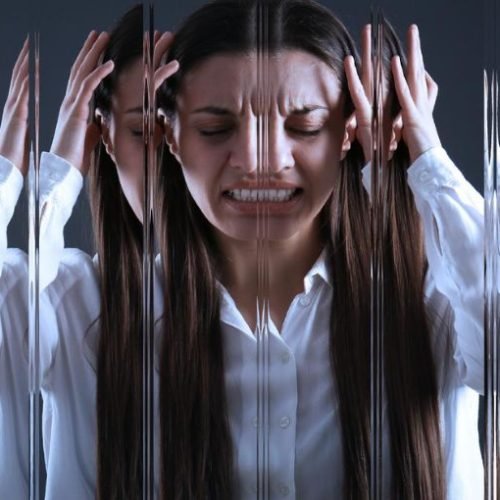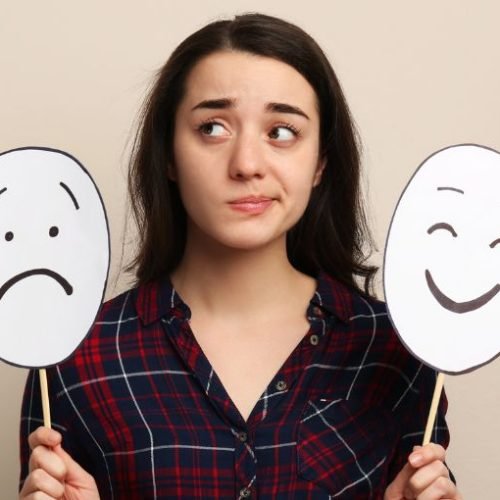

Everyone has emotional highs and lows. A difficult conversation can sour a good day. An unexpected compliment can make the world feel lighter. These shifts are part of being human. But for some people, emotions don’t simply rise and fall , they surge and collapse with an intensity that feels impossible to manage.
If you have ever wondered why your energy suddenly explodes for days, only to be followed by crushing sadness that seems to appear out of nowhere, you’re not imagining it. Bipolar disorder often hides behind what looks like ordinary mood swings, and it can take years before someone realizes that what they’re experiencing isn’t just stress or personality.
Mood Swings vs. Bipolar Disorder What’s the Real Difference?
Mood swings tend to follow life events. You feel upset after a conflict. You feel happy after good news. The emotional response makes sense in context.
Bipolar disorder mood swings rarely behave that way.
They often arrive without explanation. Someone might wake up with unstoppable motivation, talking quickly, planning grand projects, and barely sleeping even when nothing in their life has changed. Then, days or weeks later, they find themselves unable to get out of bed, unsure why everything suddenly feels so heavy.
The difference lies in pattern, duration, and intensity. Bipolar disorder creates emotional states that don’t fade easily and don’t respond predictably to circumstances.
What Bipolar Episodes Actually Feel Like
People often picture bipolar disorder as dramatic or extreme, but real experiences are more complicated.
Manic or Hypomanic Episodes
During these periods, life feels accelerated.
Common experiences include:
- Thoughts racing faster than they can be spoken
- Feeling unusually confident or powerful
- Talking more, moving faster, starting multiple projects
- Sleeping very little without feeling tired
- Acting impulsively — financial decisions, quitting jobs, risky behavior
Many people initially love these phases. They feel productive, creative, even invincible. The problem is that these highs rarely end gently.
Depressive Episodes
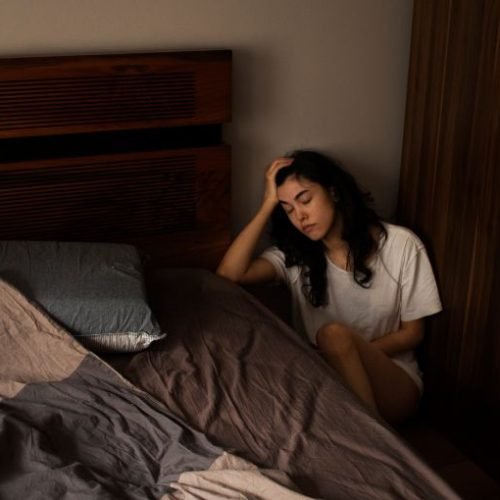
The crash can feel brutal.
Signs include:
- Deep exhaustion that sleep doesn’t fix
- Losing interest in things once enjoyed
- Isolating from friends and family
- Trouble concentrating or making simple decisions
- A sense of hopelessness that lingers
What makes bipolar disorder exhausting is not the highs or the lows alone , it’s the cycle between them.
Why Bipolar Disorder Often Goes Unrecognized

Most people seek help when they’re depressed, not when they’re feeling energized. They may describe fatigue, sadness, or anxiety leaving out the bursts of productivity or sleepless excitement that came before.
One patient once said, “I thought those were my good days.”
This is how bipolar disorder hides in plain sight. Without recognizing the full pattern, treatment often misses the mark.
When Mood Swings Begin to Change Your Life
Ask yourself:
- Do I struggle to maintain steady routines?
- Have I made impulsive decisions I later regretted?
- Do people close to me notice unpredictable changes in my behavior?
- Do my emotions feel larger than the situations that trigger them?
These questions aren’t about diagnosing yourself – they’re about noticing patterns.
Q & A
Yes. Many people develop symptoms in adulthood, often after years of subtle signs.
Absolutely. Hypomanic episodes can be quieter but still disruptive.
Very often. Overlapping symptoms make professional evaluation essential.
How Bipolar Disorder Is Diagnosed
There is no single test. Diagnosis comes from a careful psychiatric evaluation that examines mood history, sleep patterns, family background, and life stressors.
This process isn’t rushed. It’s thoughtful and often the first moment many people finally feel understood.
Treatment That Brings Balance Back
Bipolar treatment isn’t about flattening emotions. It’s about restoring rhythm.
Most plans combine:
- Medication to stabilize mood cycles
- Therapy to identify patterns and coping strategies
- Lifestyle adjustments that protect sleep and routine
Over time, many people say something simple yet profound:
“I finally feel like myself again.”
Why Early Support Matters
Left untreated, bipolar disorder can quietly reshape a life, relationships strain, careers derail, confidence erodes.
But with the right care, people don’t just survive. They rebuild.
If your moods feel bigger than your circumstances, harder to predict, or impossible to explain, it may be time to stop wondering and start learning.
Sometimes clarity is the first step toward peace.