
The rise and fall of gambling through the ages
Historical Beginnings of Gambling
Gambling has roots that trace back thousands of years, with evidence of dice and betting found in ancient civilizations such as Mesopotamia and Egypt. The earliest forms of gambling involved simple games of chance, often using rudimentary tools like stones and sticks. These activities were not merely games; they were intertwined with cultural and religious practices, highlighting the human desire for fortune and fate. Archaeological findings suggest that the allure of gambling was as much about social interaction as it was about winning prizes. Today, online platforms like casino lizaro reflect how far this world has evolved.

In ancient China, gambling became formalized through games such as “Keno,” which dates back to around 200 BC. It was initially used to raise funds for major projects, like the Great Wall. These early games laid the groundwork for the complex systems of gambling we see today, establishing a framework of rules and societal acceptance that would evolve through the ages. As cultures developed, so did the complexity of gambling, moving from simple games to more structured betting on various events, including military and athletic competitions.
The rise of the Roman Empire introduced more organized forms of gambling, such as betting on gladiatorial games. Romans created specific laws regulating gambling, showing its prevalence in society. By the Middle Ages, gambling had become a popular pastime in Europe, with card games gaining traction. This period saw the blending of gambling with entertainment, creating a rich tapestry of gaming that would continue to evolve into the modern era.
Gambling in the Modern Age
The 18th and 19th centuries marked a significant turning point for gambling, especially in Europe and America. The establishment of casinos, particularly in places like Monaco and Las Vegas, transformed the landscape of gambling. These venues offered not just games of chance but also a glamorous experience, attracting people from all walks of life. The introduction of various games, including roulette and poker, turned gambling into a major entertainment industry, reflecting societal changes and the pursuit of leisure in the modern world.
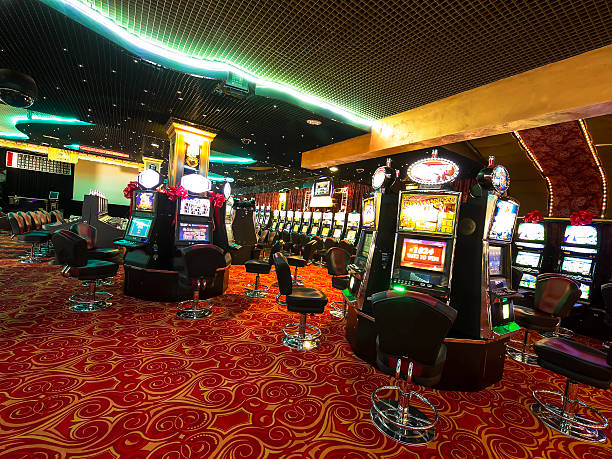
The invention of electronic gaming machines in the 20th century further revolutionized gambling. These machines, which included the famous slot machines, became immensely popular and accessible to a broader audience. This era also saw the legalization of gambling in many regions, leading to an explosion of casinos in urban areas. The rise of Las Vegas as the gambling capital of the world epitomized this shift, turning it into a symbol of both opportunity and excess.
However, the glamour of gambling has a darker side. As the industry grew, so did concerns about addiction and social impact. The modern age has witnessed debates about the ethical implications of gambling, with rising rates of problem gambling leading to calls for regulation. This growing awareness has prompted many jurisdictions to implement measures aimed at protecting vulnerable players, showcasing a duality in gambling’s evolution from mere entertainment to a serious public health concern.
The Decline of Gambling: Challenges and Controversies
Despite its popularity, gambling has faced significant challenges over the years, often fueled by shifting societal attitudes and economic factors. The late 20th century introduced a wave of regulations aimed at curbing illegal gambling and protecting consumers. These regulations often resulted in backlash from industry advocates who argued that such measures stifled growth and economic opportunity. The struggle between regulation and freedom in gambling remains a contentious issue in many regions today.
The emergence of the internet brought about another seismic shift in the gambling landscape. Online gambling opened new avenues for players but also created challenges in regulation and consumer protection. Issues such as fraud, underage gambling, and addictive behaviors have been exacerbated by the accessibility of online platforms. Critics argue that the lack of stringent regulations makes online gambling more dangerous than traditional forms, leading to calls for more comprehensive oversight.
The COVID-19 pandemic posed an unprecedented challenge to the gambling industry, as physical casinos faced shutdowns. The shift to online gambling skyrocketed, but this also raised concerns over addiction and consumer protection. The balance between providing entertainment and ensuring safety became more critical than ever, prompting industry stakeholders to reassess their strategies. As gambling continues to adapt, the future remains uncertain, caught between opportunity and risk.
The Future of Gambling: Trends and Innovations
As we move into a new era, the gambling industry is experiencing rapid evolution driven by technology and changing consumer preferences. One notable trend is the rise of mobile gambling, allowing players to enjoy their favorite games anytime and anywhere. This shift has broadened the audience and created a more competitive environment among gambling operators. Innovations like virtual reality gaming are on the horizon, promising to offer immersive experiences that could redefine how people engage with gambling.
Another significant trend is the increasing integration of artificial intelligence in gambling platforms. AI can enhance user experiences by personalizing game recommendations and identifying patterns related to gambling behavior. This technology could help operators tailor their offerings and provide better support for responsible gambling initiatives. As the industry embraces these innovations, the focus will likely remain on ensuring player safety while delivering engaging experiences.
Additionally, the growing acceptance of gambling in popular culture has paved the way for more inclusive offerings. Events such as esports tournaments have emerged as new platforms for gambling, attracting a younger audience. This evolution reflects changing societal norms around gambling, making it more integrated into mainstream entertainment. The industry’s ability to adapt to these trends will be crucial in determining its future trajectory as it seeks to balance profitability with social responsibility.
Lizaro Casino: A Modern Gaming Experience
Lizaro Casino exemplifies the exciting potential of modern gambling platforms. With over 10,000 titles ranging from slots to live dealer games, it caters to a diverse audience. The casino’s design and ambiance enhance the gaming experience, creating an engaging environment for players. The welcoming bonus of up to £3,000 plus 350 free spins makes it an attractive option for newcomers looking to explore the world of online gaming.
Security is a top priority at Lizaro Casino. Advanced encryption technologies and strict KYC checks ensure a safe betting environment, allowing players to focus on enjoyment without concerns about safety. The platform’s commitment to user satisfaction is evident in its 24/7 customer support and a variety of convenient payment options. These features make Lizaro Casino a standout choice for players in the United Kingdom.
As gambling continues to evolve, Lizaro Casino embodies the blend of tradition and innovation, offering a comprehensive gaming experience that reflects contemporary trends. With its focus on user engagement and security, it stands ready to meet the demands of today’s players, highlighting the enduring appeal of gambling through the ages.
